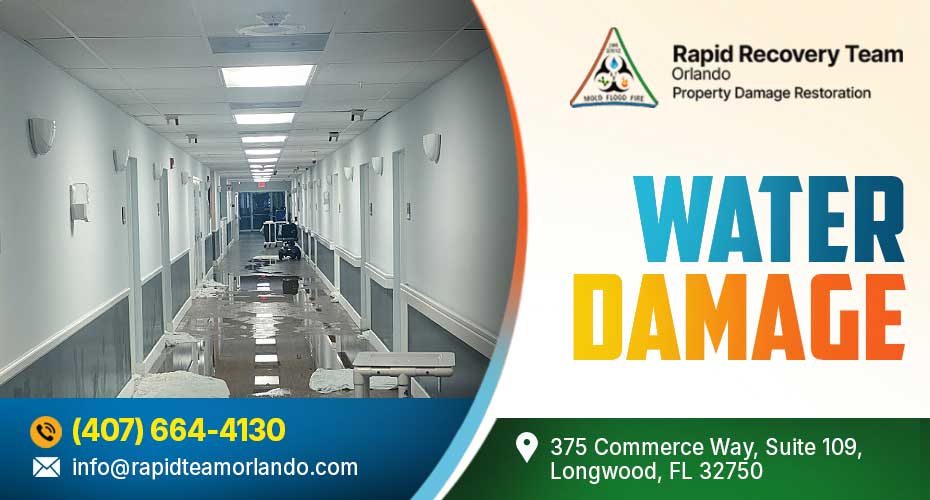
Water damage prevention is important for a homeowner’s holiday travel preparations. If you’re going away for a short break at Thanksgiving or longer over Christmas, leaving your property empty could place it at greater risk of leaks, appliance failure & water damage. If a small leak is left undetected for a few days, it can cause damage to flooring, walls, furniture, and possessions. By taking a few simple preventative measures, you can reduce the risk of damage to your property and have more peace of mind.
Why Water Damage Prevention Matters During Holiday Travel
With so much going on at Christmas, many people are away from their homes for days or even weeks. However, water damage is not on holiday. Water leaks, broken boilers, or burst hoses in washing machines could result in water damage within a property.
In Orlando, unexpected water damage can be caused by fluctuating weather conditions, heavy rain, plumbing problems, or faulty appliances. Before leaving home (particularly if it will be unoccupied for a long time), residents should make sure that preventative maintenance has been carried out to reduce the risk of water damage.
Following practical home water damage prevention tips is critical. Thus, people can reduce risks. Also, they don’t have to deal with expensive restoration work.
7 Essential Water Damage Prevention Tips Before Leaving Home
1. Inspect Plumbing Fixtures and Pipes for Leaks
Check your plumbing. Even small leaks under the kitchen sink or in/toilet areas will create large issues if they are left to worsen.
Look at any external pipes, taps, and toilet areas. Check if there seems to be leakage, rust, and whether pipes are loose or damp. Check around sink areas and where internal pipes run into walls or cupboards.
A professional plumbing check can also pick up on any underlying issues. Practicing regular plumbing leak prevention reduces the odds of returning to unanticipated water damage.
2. Turn Off the Main Water Supply When Appropriate
Turn off the main water valve to prevent water from running constantly in case of a leak or burst pipe whilst you are out for a few days/weeks.
Before turning off water to your home, it can be useful to understand what is connected to your plumbing. In some homes, there may be appliances or systems that require running water. If you are uncertain, please consult a suitably qualified expert.
In many cases, turning off the water supply can be a very practical way to help prevent water damage when going on longer trips.
3. Check Washing Machines, Dishwashers, and Other Appliances
Appliances in your home can be a source of a leak. Leaks may occur in washing machines, dishwashers, fridges with icemakers, or water heaters due to faulty connections, loose fittings & broken parts.
To prevent leaks:
- Look out for any cracks, swelling or damage to washing machine hoses.
- Check connections on dishwashers for leaks.
- Look around the water connection on fridges.
- Look for dampness or rust on water heaters.
- Don’t leave appliances running if there is no one in.
If you have damaged hoses or small leaks in appliances, repairing/ replacing them before leaving can help avoid more serious issues.
4. Clean Gutters and Inspect Your Roof
Excessive rainwater can be an issue if debris (leaves, dirt) clogs your guttering and downpipes. This may cause water to pool close to the foundations, or enter sensitive parts of your property.
Check for damaged tiles, damaged flashing & general damage on your roof. Ensure that your guttering is clear and the downpipes are diverting water away from the foundations.
For Florida people, water damage prevention Orlando strategies must include preparing the property for heavy rain. These also comprise checking vulnerable areas. Hence, people can leave for a long holiday.
5. Inspect Bathrooms, Kitchens, and Utility Areas
Water leaks can occur in bathrooms, kitchens, laundries & utility rooms.
Look for signs of leaks such as wet cupboards, strange smells, wet marks or discolouration in walls and floors. Check beneath sinks, around toilets, around washing machines and around hot water units.
If you see any of these signs, there may be a plumbing issue in the property.
If issues with water getting into the property are addressed quickly, it can prevent further damage and reduce the risk of mould forming.
6. Install Water Leak Detection Devices
Smart leak detectors can be installed to give added protection. If a potential leak is detected, you will be notified on your mobile phone.
You could consider installing leak detectors:
- Near washing machines
- Near water heaters
- Near kitchen sinks
- In bathrooms
- In Fridges with water connections
Advanced systems can be used to automatically turn off the water mains in the event of a large leak. These are very useful if you are often out of the house or leave your property empty for long periods of time.
7. Arrange Regular Property Checks
If you are planning an extended vacation, ask a trusted neighbor, family member, or property manager to check your home periodically.
A regular inspection can help identify unexpected leaks, unusual moisture, appliance problems, or storm-related damage before the situation becomes more serious.
Include property inspections in your vacation home maintenance checklist so important preventive tasks are not overlooked before departure.
What Should You Do If You Discover Water Damage After Returning?
If there are any problems with water in your home, such as pooled water, damp floors, damp patches on ceilings, or leaking pipes, you should be very careful.
Do not enter rooms where water may have come into contact with electrical sockets, wiring or appliances. If it is safe to do so, turn off the water supply, and ask a competent person to deal with the leak.
Do not operate electrical appliances in areas affected by water. Never attempt to deal with contaminated water without appropriate protection.
Professional water damage cleanup services can assess the affected areas. These services can remove standing water & dry moisture-damaged materials. Using these, house owners can determine if extra overhaul is necessary.
Reducing condensation and water in your property will help avoid mould build-up and further damage.
To help protect your home, it may be wise to take action before going on holiday. A regular check of your pipework and appliances, clearing out your gutters & using devices to detect leaks can all reduce any unexpected issues with water in your home. Prioritizing water damage prevention can help you skip pricey repairs. And you will enjoy your holiday with greater confidence.
If a water issue occurs in your property whilst away, we can offer expert repairs so that your house is protected from any further damage.
For more information on water damage repairs and clean-up in Rapid Recovery Team Orlando, please contact us.
Our Contact Details:
375 Commerce Way, Suite 109, Longwood, FL 32750
.
FAQ:
Q. How to keep your house safe while on vacation?
Ans: Before going away, inspect for leaks in pipework within the property and check appliance hoses. If possible, turn off the stop tap. Clear any gutters and switch off electrical appliances that are not required. For long holidays, arrange for someone trustworthy to check your property.
Q. What is the most common cause of water damage in houses?
Ans: Water damage can occur due to leaking pipework, burst pipes, faulty connections to appliances, leaking roofs, overflowing toilets & failure of water heaters. Regular inspections can help prevent large amounts of water damage.
Q. What do you do when you leave your house for 3 months?
Ans: Consider arranging regular checks on your property. After considering whether it is suitable to turn off the stop tap, based on appliance requirements, inspect the property’s pipework. If there are any leaks within the property, fix them. Consider adding water leak detectors. Consider arranging a regular check on your property.
Q. Should I turn off my water heater before going on vacation?
Ans: If you have a long holiday in mind, and your water heater has a ‘holiday’ setting, then consider using this. Always follow the manufacturer’s instructions, or if unsure, consult a qualified professional.
Q. Can a small water leak cause serious property damage?
Ans: Yes. Minor water damage can cause damage to dry lining, floor coverings, cupboards, insulation & other parts of a property. If water has gone unnoticed for a long amount of time, a professional drying and repairs service may be needed.
Q. How quickly should water damage be addressed?
Ans: As quickly as possible. Removing water as soon as possible and allowing proper drying will reduce damage caused by water and mould. Wet items must not be left.

